


When it comes to the soundtracks of animated and live-action productions, Yutaka Yamada's name has become a reliable fixture on the contemporary music scene over the years: from Tokyo Ghoul to Vinland Saga, and from Alice in Borderland to Yu Yu Hakusho and Golden Kamui, his melodies skilfully accomplish the challenging task of accompanying stories and characters on a journey that becomes thereby even more exciting and unforgettable.
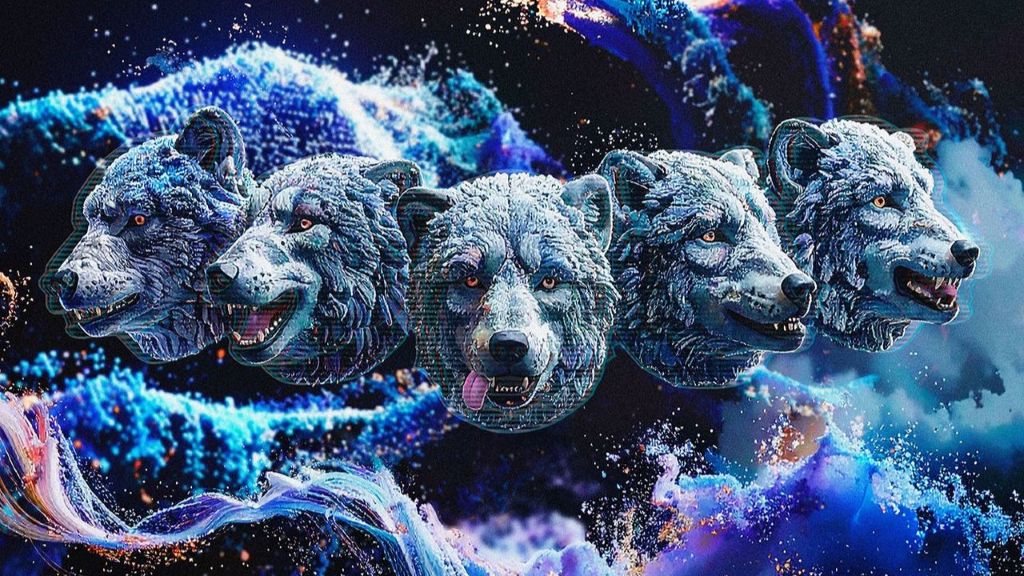
With the launch of his first solo project, THE ONE, which was started out on 21 November 2025 and is currently in its fourth of ten chapters, we had the opportunity to interview the composer about his creative process and various anecdotes.

Yutaka Yamada studied music composition in Japan before moving to Los Angeles in 2017; he plays the piano, keyboard, guitar and drums, and his career spans over 40 projects, which have earned him several prestigious awards. Indeed, in 2019, he received the 43rd Japan Academy Prize for Best Original Score for the film Kingdom, while the following year, his score for the anime Great Pretender was nominated at the Crunchyroll Anime Awards. In 2023, the soundtrack for the series Vinland Saga - Season 2 was awarded the prestigious Jerry Goldsmith Award, and the same soundtrack also won an award at the Anime Trending Awards the following year.
To the Italian version of the whole article: please click HERE.
Animeclick: hello and thank you in advance for this interview.
You are still quite young, but you have already worked on so many projects thus being awarded also a number of very notable prizes throughout your career.
Would you like to kindly tell us how did you actually start working in music composition?
Yutaka Yamada: I originally developed my love for music through video games. When I was in middle school, I began recreating pieces that I loved from game soundtracks by programming them through DTM and transcribing them by ear. At the same time, I was also playing drums and guitar in a rock band.
Looking back now, those moments of quietly sitting in front of a computer, trying to understand how music was built layer by layer, feel directly connected to who I am today. I consider that experience to be my true musical origin.
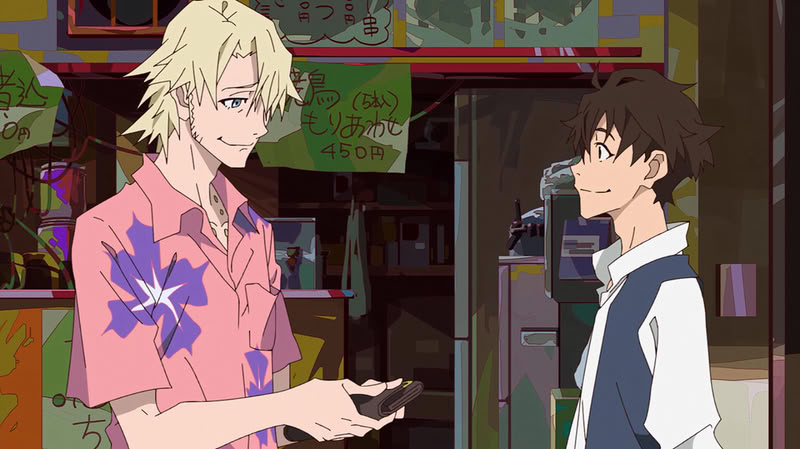
AC: let's focus on your creative process. We are so used listening to music but we rarely think about how it takes to get to its creation.
How does a music composer work? Would you like to kindly explain us the various stages of this process?
YY: the work of scoring is actually quite different from purely independent artistic creation. It involves a significant practical process. It usually begins with discussions where I listen carefully to the director and producer to understand their musical vision. Then I watch the footage or read the script, compose the music, and present it to them for review. Once they approve it, the process is completed. This workflow often creates creative limitations. However, rather than simply delivering music exactly as requested, I try to create music that can go slightly beyond their imagination. To do that, I sometimes reinterpret very concrete instructions in a more abstract way and intentionally step back from immediate solutions.
I have found that securing a small space for pure artistic exploration at the beginning often leads to a completely different final result. I believe many composers face this balance in their own ways.
AC: which are your main musical influences? Did they expand over time?
YY: since childhood, I spent many hours listening to music during family car rides. Artists such as Michael Jackson, Stevie Wonder, Celine Dion, and Whitney Houston were constantly playing in the background of those memories. Those sounds became part of my everyday emotional landscape, and over time they naturally expanded into many different genres. Later, the music from the video games I played in my later elementary school years became another strong influence that shaped my imagination.
AC: which project has been the most challenging for you, if any, from an emotional point of view? And from a technical point instead?
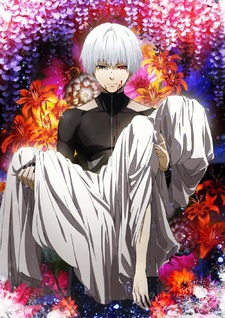
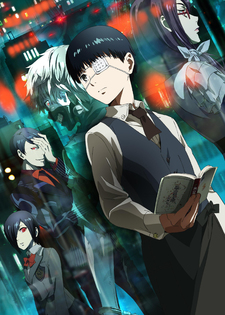
YY: Tokyo Ghoul was especially challenging for me. At that time, I did not yet possess enough technical tools to fully realize the musical world that was required. Emotionally, it was an intense and pressurized period. I often struggled with the gap between the music I could hear inside my mind and the music I was technically able to produce. Looking back, that frustration became an important driving force that pushed me to grow.
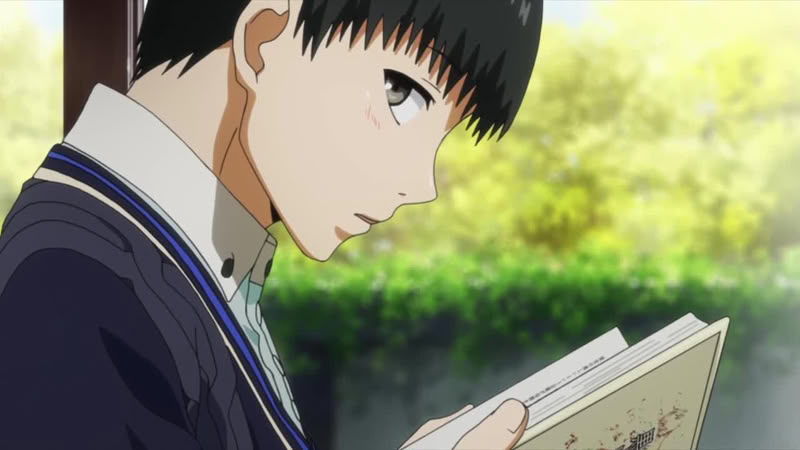
AC: AI has already been used for the complete or partial production of soundtracks. What are your thoughts on this, including on the instrument itself?
YY: I believe this is a very complex topic. I have not personally used AI as a tool in my own work, so it is difficult for me to speak from direct experience. However, even if AI contributes to the creation of high quality music, listeners ultimately respond through their own emotional filters. Because of that, I personally do not feel concerned that the pure essence of human artistic expression will disappear. I believe audiences naturally recognize emotional authenticity.
AC: you can play many instruments. When it comes to composition, do you actually prefer using real musical instruments or electronic ones? And how do you manage to balance classical orchestration with digital sounds?
YY: I try to treat acoustic instruments and electronic instruments equally, without hierarchy. That said, I often find myself returning to piano centered textures as a foundation. When balancing classical orchestration with digital sound, I do not believe there is a single correct solution. Each composition demands its own balance. Both worlds offer unique beauty, and searching for that equilibrium remains one of the central themes of my work. It is a question I still ask myself every time I begin a new piece.
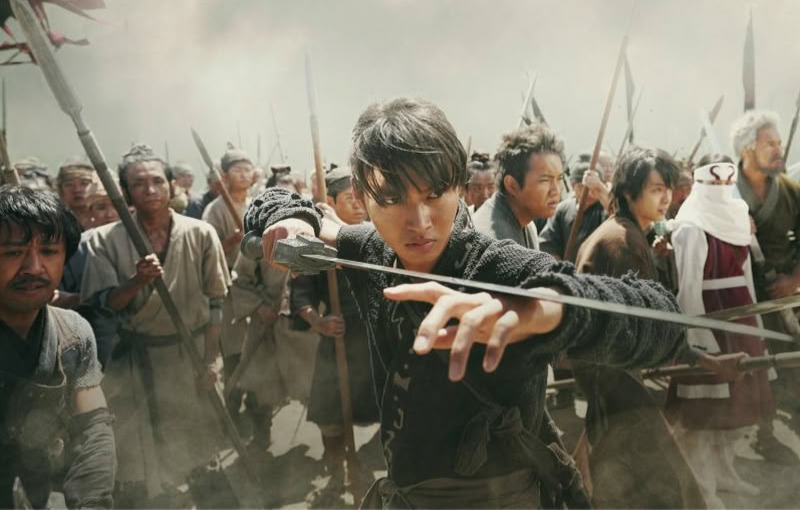
AC: did your work somehow change after your relocation to Los Angeles and if so, could you kindly tell us how exactly? Is it simpler -or more thrilling- for a music composer to work in the US? Maybe also more thrilling?
YY: moving to Los Angeles brought many changes to my work and perspective. It was an exciting and stimulating transition. Compared to Japan, I felt that American culture tends to embrace individuality and difference more openly. At the same time, I also became more aware of how difficult it is to truly stand out in such a diverse environment. That realization continues to motivate me to refine myself every day.
AC: could we say that your work on the soundtrack for Tokyo Ghoul animated series marked the turning point in your professional career or would you like to recall also some other project, along the way?
And how did your life and your work change after the popularity gained by Tokyo Ghoul, thanks also to the soundtrack you composed?
YY: Tokyo Ghoul was my first anime series project. I remember feeling both excitement and fear at the same time. The production process was extremely demanding, and the emotional pressure was very strong. Because of those challenges, I believe the music naturally developed a certain internal intensity. Interestingly, my personal life did not change immediately after the release. The response was relatively quiet at first, and recognition seemed to grow gradually over two or three years. That experience taught me something important. Sometimes music needs time to find its audience, and the hardships experienced during creation often leave deeper emotional traces within the work itself.
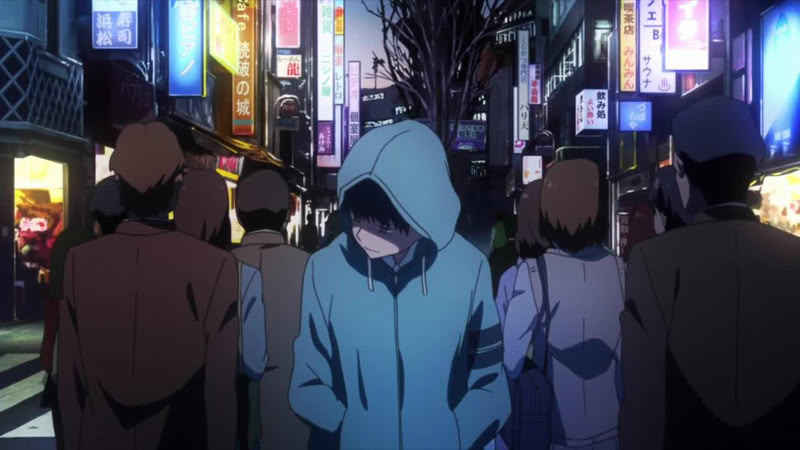
AC: we remember when Eminem sampled the main theme song "Glassy Sky" from Tokyo Ghoul soundtrack for one of his songs, the track "Good Guy" from his Kamikaze album.
How did you feel when you received news of this?
YY: I was honestly very surprised. It made me realize once again how powerful and far reaching anime music can be. At the same time, it made me feel a stronger sense of responsibility. It encouraged me to continue searching for deeper and more meaningful musical expression.
AC: the mixing of Tokyo Ghoul soundtrack took place at the famous Remote Control Production led by the celebrated music composer Hans Zimmer. What do you remember about that moment? How was it to work in such a place?
YY: what left the strongest impression on me was the environment. The studio itself was extraordinary. I was also deeply impressed by the engineer, Daniel Kresco. Working there felt like stepping into a completely different sonic world. I remember thinking that we were achieving sounds that would have been extremely difficult to create in Japan at that time.
AC: some of your earlier works include soundtrack for TV drama series such as Marumo no Okite, Tenno no Ryoriban or Watashi no hanasanaide – Never let me go.
They seemed to expand later, as well as the wider and more international audience intended for popular films like Tokyo Revengers or Kingdom, or series specifically developed for the streaming on Netflix like Alice in Borderland.
Does the music you create have to keep that right in mind? Are there notable differences between Japanese projects aimed for the television, the streaming or the cinema?
YY: the differences between anime and live action, as well as between films and episodic series, certainly function as different creative frameworks. Each project shapes these constraints differently. While I remain aware of these differences, I try to maintain a certain distance so they do not restrict the initial stage of artistic exploration. Especially in the earliest phases of composition, I try to protect the purity of the creative impulse.
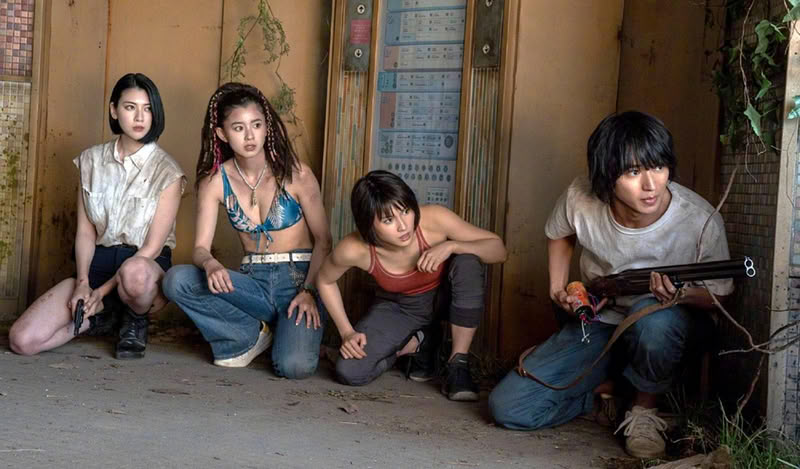
AC: you worked at adaptations of works like Death Note, Yu Yu Hakusho and Bleach that had previously existing anime versions: did you possibly take any inspiration from those sounds and soundtracks or did you start completely "blank" when working at them?
YY: unless there is a specific request from the director or producer, I prefer to begin from a completely blank state.
AC: you have worked across extremely different worlds, from Tokyo Ghoul to Vinland Saga, and from Promise Cinderella to Alice in Borderland. What is the difference (if existing) between composing for an anime and composing for a live-action production?
YY: anime is not created from footage captured by cameras, so it often involves placing creative expression on top of another creative expression. Because of this, I feel that anime frequently allows wider artistic freedom. In live action projects, there are moments when the musical direction already feels partially defined by realism. Personally, I sense a slight difference in how much experimental freedom is naturally allowed between the two.
AC: when starting a new project, what is the central element — emotional, thematic, or conceptual — that guides you in defining its musical identity, given that in your portfolio there are projects of very different genres from one another?
YY: I try to imagine what kind of audience might encounter the work and how they might emotionally experience it. At the same time, I confront my own emotional reaction after reading the script or original material. Occasionally, something like an unexpected chemical reaction occurs between those perspectives. When that happens, it often becomes a guiding light for the music. Ultimately, emotional truth is always the most important element for me.
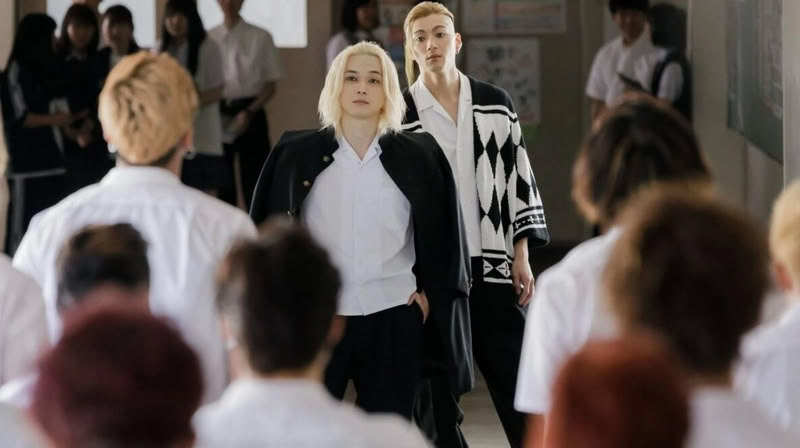
AC: how do you recalibrate your creative process when shifting between such different genres, or from one medium to another, and what aspects remain constant?
YY: when I shift between genres, I often change my creative starting point entirely. Sometimes I begin from melody, sometimes from rhythm, and sometimes from written notation without using a DAW at all. What tends to remain constant is not something I consciously define, but rather the daily rhythm and discipline of my working routine.
AC: when there is more than one composer in charge of the soundtrack of a series or a film, how do you manage to maintain the balance between the sounds?
We can recall for instance the music for the drama Marumo no Okite, entrusted also to Hiroyuki Sawano, but also the series Water Polo Yankes with Yu Takami or, more recently, YAIBA and Golden Kamui with Yoshiaki Dewa.
YY: when multiple composers are involved in a project, I adjust my approach depending on the intention of the production. If the goal is to create a unified sonic identity, I focus strongly on balance and cohesion. If the intention is to highlight individual voices, I try to respect those differences. This balance is usually developed through communication with the client.
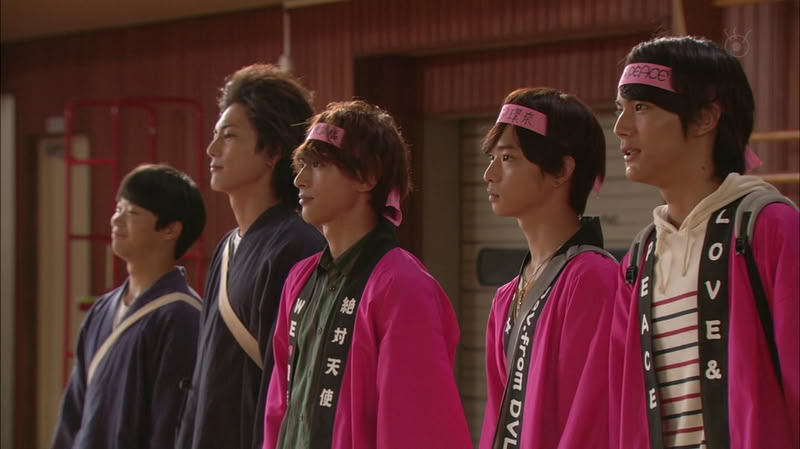
AC: how much do you let the visual material influence your composition process? And how do you build your harmonies, which are often quite emotional and cinematic?
YY: visual material has a strong influence on my compositions. However, when I am required to compose before visuals are fully completed, I sometimes intentionally distance myself from them. Regarding harmony, some elements are carefully constructed while others emerge unconsciously. They are likely shaped by my musical background and personal listening history.
AC: according to you, how important is it to connect with a story and its characters in order to write a good soundtrack? Is there a particular work you feel you could relate to?
YY: I believe resonance with the story is extremely important. When resonance is strong, there is less need to consciously try to empathize. The music begins to emerge naturally. For me, this is one of the most beautiful aspects of writing soundtracks. One work where I felt this resonance very deeply was Vinland Saga.

AC: in your opinion, are there any sounds, rhythms, or tones that are particularly fashionable in anime series right now? And what about in live action series or films? Do you think they have changed compared to the past and if so, why?
YY: I believe musical trends certainly exist and change over time. It is difficult to define specific sonic characteristics in words, but I feel modern soundtrack trends often share similarities with the evolution of pop music. The influence of esports culture also feels significant, as it often shapes what younger audiences perceive as powerful or stylish sound design.
AC: let's now focus on Vinland Saga: what kind of research did you do for its soundtracks?
Throughout the episodes, some scenes seem to be accompanied by music more similar to Viking folk music while other scenes -the most emotional ones- are accompanied by music that does not seem to have a specific geographic or historical setting.
How did you work to amplify these timeless and geographically undefined emotions?
YY: when working on Vinland Saga, I realized that the score needed to represent two contrasting dimensions. One reflects the external world, including historical environment and social reality. The other represents the internal journey of the protagonist, Thorfinn. For example, in the opening scenes depicting life in Iceland, a historically authentic musical approach would have been a conventional choice. However, I became more interested in expressing Thorfinn’s psychological and emotional journey. I wanted to create music that could illuminate something timeless within the human spirit rather than simply describing historical context.
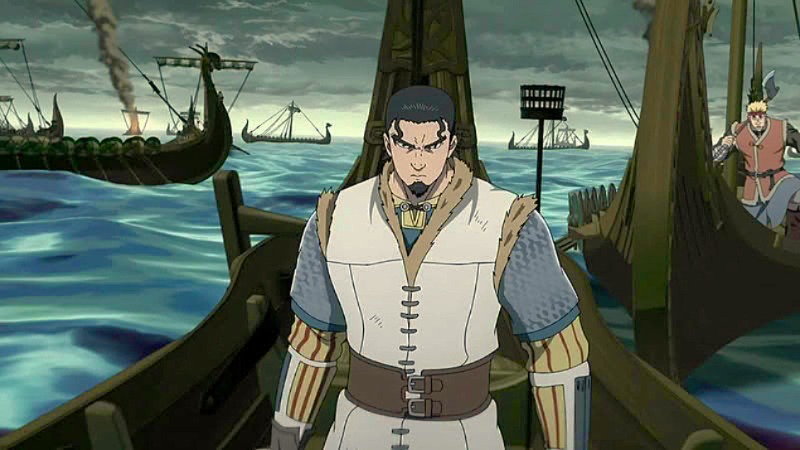
AC: is there an instrument or sound that intrigued you the most when composing the soundtracks for Vinland Saga? Also, Viking folk music is often associated with epicness and triumph: how did you manage to smooth off those rythms?
YY: I remember being fascinated by the deep, rhythmic vocal shouts of Viking warriors. In battle scenes, I sometimes transformed those vocal elements into percussive textures and blended them with orchestral writing.
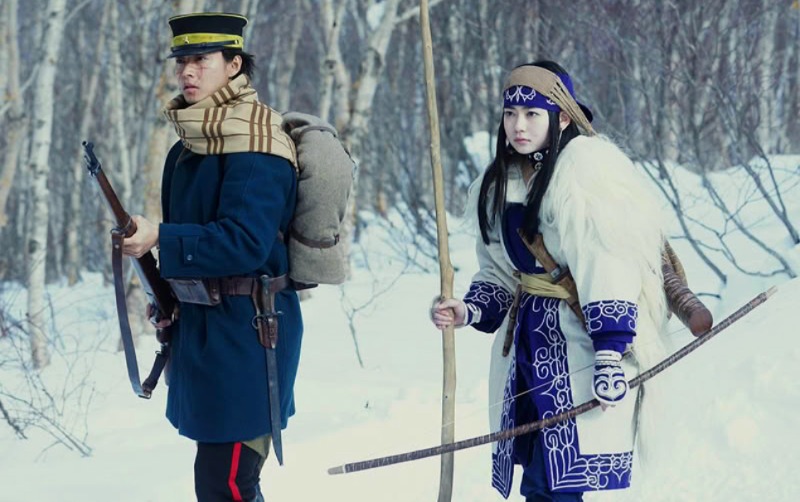
AC: as for Golden Kamui, the atmospheres of the manhunt and survival emerge distinctly, but also the suspended rhythms of the air, the forest, and listening to nature.
How do you manage to choose the right sounds to pick up in order to best extract the flavour and the specific identity of this work and, generally speaking, of each individual work?
YY: yes. While maintaining a hybrid style centered around synthesizers, I aimed to create soundscapes that would naturally resonate with the snowy landscapes of Hokkaido. I also created a vocal version of the main motif that has been consistently used since the first Golden Kamui film.
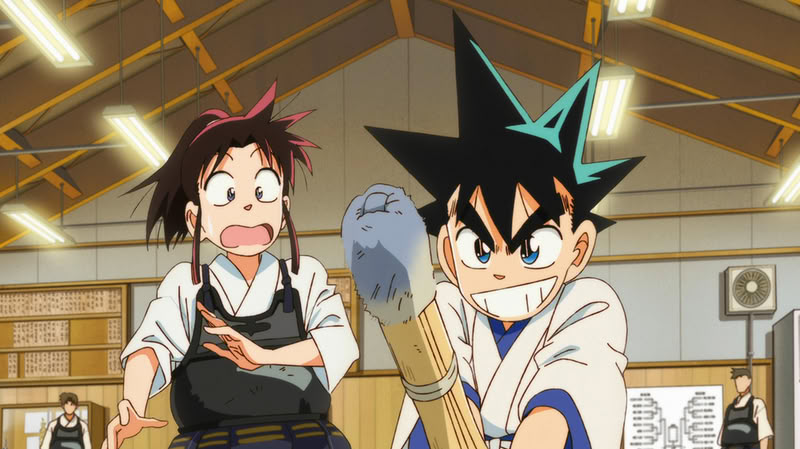
AC: your latest work for an animated series is YAIBA. The original soundtrack does include some curious and interesting jazz tracks. We would maybe not associate them immediately with the comedic and adventure spirit of the story. How did you get the idea from? Would you like to tell us more about this?
YY: regarding the jazz elements in YAIBA, I see them as part of a long tradition within Japanese animation that embraces experimentation and boundary breaking. I approached those tracks as an attempt to create something unexpected yet emotionally natural within the story’s world.
AC: in the press release for "THE ONE" project, you state that normally your job “is to write music that supports what is happening on screen,” while in this case you wondered what would have happened if you had followed your own “inner story.”
When you compose for the screen, accompanying a story written by someone else, how much of yourself, of your inner universe, do you usually manage to infuse into your music?
YY: even when composing music for stories created by others, I believe I naturally tend to write from my own artistic identity. I understand that this can sometimes create challenges in collaboration, but it also allows me to respond to stories in a deeply personal way. At the same time, narratives written by others often become powerful sources of inspiration for my creativity. I genuinely enjoy exploring that dialogue between story and self.
AC: the press release also states: “I still approach music with a world-building mindset, but in this project the world is emotional rather than visual.”
The first two tracks of "THE ONE" have a cinematic style that makes them very engaging and leads the listener to travel with the imagination. When expressing your inner universe, do you imagine a real story or do you rather let the emotions flow freely?
YY: I usually imagine a very specific internal narrative world. It feels slightly embarrassing to describe openly, but it often resembles a vast landscape and an extended journey through it.
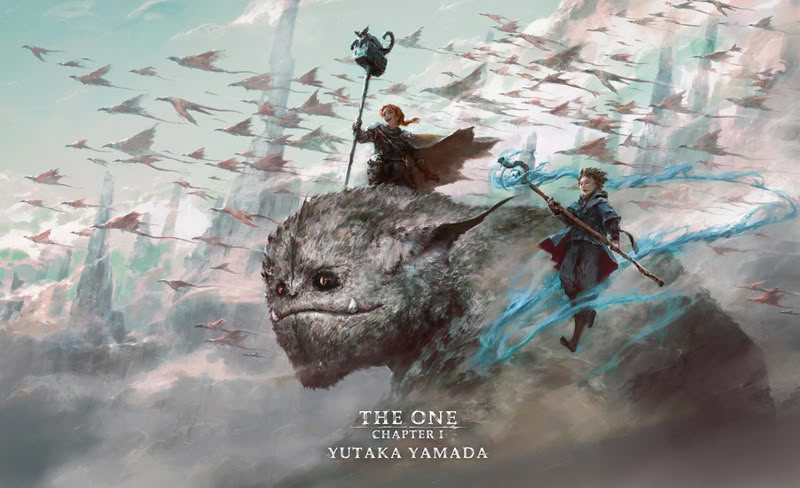
AC: your solo project "THE ONE", seems to mark a more intimate and personal artistic direction. Which was the spark that initiated this journey? In which ways does working on a solo project allow you a type of creative freedom that differs from composing for a narrative-driven production?
YY: thank you very much for saying that. The beginning of THE ONE came from a very pure desire for creative growth. As I envision the project extending toward Chapter X, I see each chapter as a record of who I am artistically at that particular moment in my life.
AC: "THE ONE (CHAPTER I)" features collaborations with artists such as Geoffrey Keezer, Cliff Almond, and Arisa Inamoto, as well as an 80-piece orchestra in the Czech Republic. How did these collaborations come about, and how did working with them influence the artistic direction of the project? What kind of unique qualities did each artist bring together with your vision?
YY: these collaborators are musicians who have inspired me deeply throughout my career through both their instrumental mastery and musical sensitivity. After recording sessions, I sometimes take the material home and further reshape or reinterpret it. That kind of transformation often becomes part of the collaborative process.
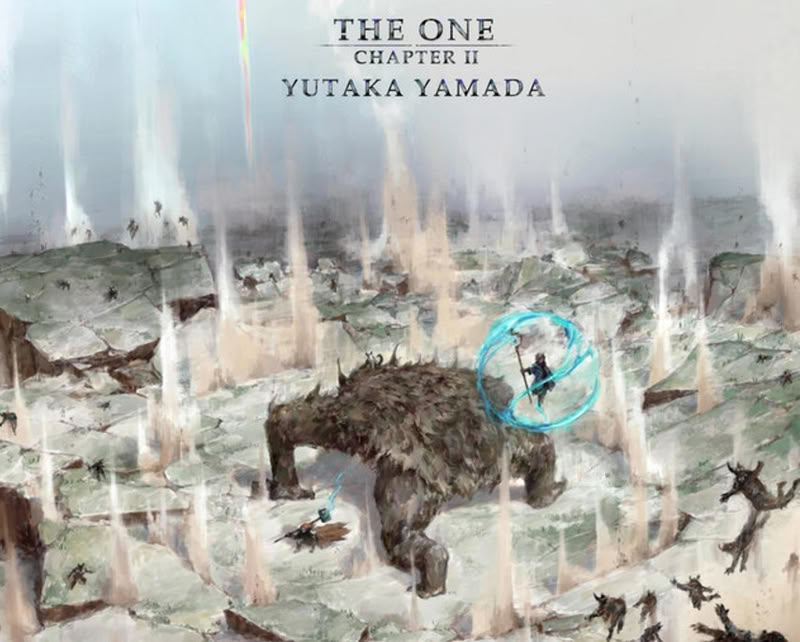
AC: "THE ONE" is your first project released entirely under your own name, free from the constraints of serving a pre-existing narrative. In stepping into this purely personal territory, what aspects of your musical language did you feel compelled to evolve and challenge?
How did you approach to creating this project so that it would remain always coherent across all ten planned chapters?
YY: while creating THE ONE, I gradually realized that it would be impossible to express every aspect of my musical identity within a single project. I felt that the series needed to follow the journey of a single protagonist. In a way, I see it as similar to someone in their thirties stepping away from their career temporarily to travel around the world. I think many people carry a quiet desire for such a journey. For me, creating this album may represent something close to that experience.
AC: your scores for anime and live-action series are often discovered through the stories and characters they accompany. With "THE ONE" listeners will encounter your music with no visual narrative guiding their emotions. What kind of listening experience do you hope that this will create?
YY: this is a very important question. Of course, I am grateful if many people listen to my music. At the same time, I believe music can exist beautifully as an independent art form.
More than recognizing my name, I would feel truly fulfilled if listeners find rhythms or melodies within my music that connect with their own life journeys.
AC: which direction would you like your music to take in the upcoming years?
Are there any projects or genres you would like to experiment with?
YY: creating THE ONE allowed me to take a deep breath artistically. I feel that I grew significantly as a composer through this project.
I hope that this expanded emotional and technical range will allow me to move audiences again through many different visual works across genres.
AC: music is meant to stir up emotions. Thanks to your scores, you managed to do way more than that, creating lots of memories and unforgettable experiences for all the people that got enthousiastic over the many projects you helped forge.
Music might be thought as an invisible element, but it certainly is not inside our soul, because music paints it with truly vivid colours, thanks to your talent and dedicated work. We would like to thank you so much for all of this. Please never stop challenging and homaging us with so many of these amazing emotions.
YY: thank you sincerely for your beautiful words. Reading them moved me deeply. I believe that my work must always be an act of devotion. I do not want to create music that settles at eighty percent. Even one hundred percent does not feel sufficient. I want to spend more time in the solitude of my studio searching for something beyond that. Through music, I hope to create moments where hearts can quietly connect.
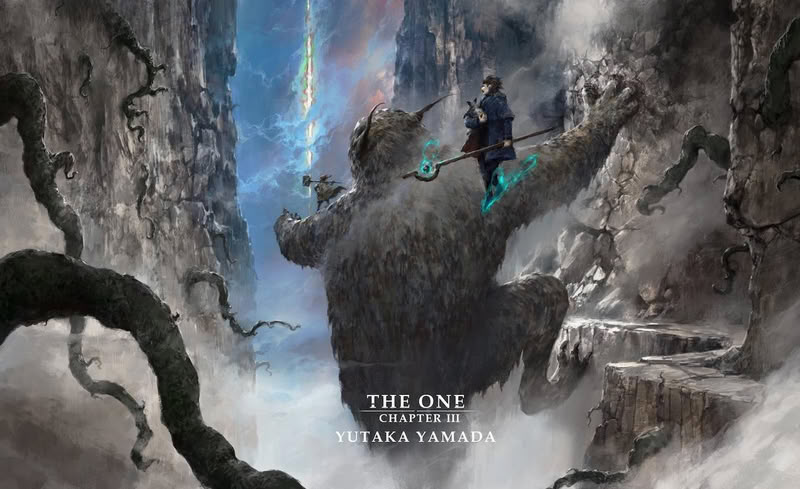
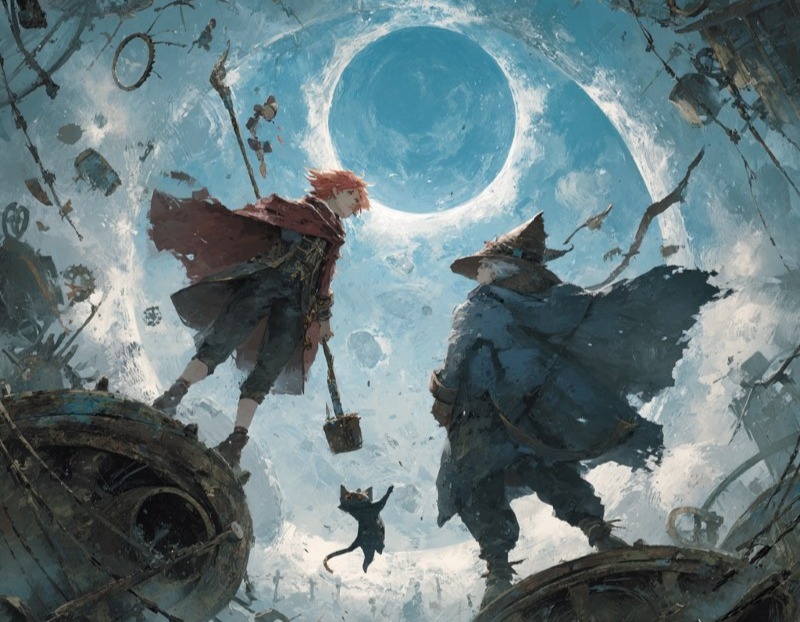
THE ONE - Chapter I, Chapter II, Chapter III and Chapter IV is available on all major streaming platforms such as Spotify, Apple Music and YouTube Music.
Chapter IV features the lead single Ὀρνέα (feat. Bobby John).
References and notes:
THE ONE - Press release
Yutaka Yamada official website
Yutaka Yamada @ Instagram
Yutaka Yamada @ Spotify
Yutaka Yamada @ Apple Music
Yutaka Yamada @ YouTube
Yutaka Yamada @ YouTube Music
All credits and copyrights belong to the respective owners.
With the launch of his first solo project, THE ONE, which was started out on 21 November 2025 and is currently in its fourth of ten chapters, we had the opportunity to interview the composer about his creative process and various anecdotes.
Yutaka Yamada studied music composition in Japan before moving to Los Angeles in 2017; he plays the piano, keyboard, guitar and drums, and his career spans over 40 projects, which have earned him several prestigious awards. Indeed, in 2019, he received the 43rd Japan Academy Prize for Best Original Score for the film Kingdom, while the following year, his score for the anime Great Pretender was nominated at the Crunchyroll Anime Awards. In 2023, the soundtrack for the series Vinland Saga - Season 2 was awarded the prestigious Jerry Goldsmith Award, and the same soundtrack also won an award at the Anime Trending Awards the following year.
To the Italian version of the whole article: please click HERE.
**
Part I - Creative process and musical composition
Animeclick: hello and thank you in advance for this interview.
You are still quite young, but you have already worked on so many projects thus being awarded also a number of very notable prizes throughout your career.
Would you like to kindly tell us how did you actually start working in music composition?
Yutaka Yamada: I originally developed my love for music through video games. When I was in middle school, I began recreating pieces that I loved from game soundtracks by programming them through DTM and transcribing them by ear. At the same time, I was also playing drums and guitar in a rock band.
Looking back now, those moments of quietly sitting in front of a computer, trying to understand how music was built layer by layer, feel directly connected to who I am today. I consider that experience to be my true musical origin.
AC: let's focus on your creative process. We are so used listening to music but we rarely think about how it takes to get to its creation.
How does a music composer work? Would you like to kindly explain us the various stages of this process?
YY: the work of scoring is actually quite different from purely independent artistic creation. It involves a significant practical process. It usually begins with discussions where I listen carefully to the director and producer to understand their musical vision. Then I watch the footage or read the script, compose the music, and present it to them for review. Once they approve it, the process is completed. This workflow often creates creative limitations. However, rather than simply delivering music exactly as requested, I try to create music that can go slightly beyond their imagination. To do that, I sometimes reinterpret very concrete instructions in a more abstract way and intentionally step back from immediate solutions.
I have found that securing a small space for pure artistic exploration at the beginning often leads to a completely different final result. I believe many composers face this balance in their own ways.
AC: which are your main musical influences? Did they expand over time?
YY: since childhood, I spent many hours listening to music during family car rides. Artists such as Michael Jackson, Stevie Wonder, Celine Dion, and Whitney Houston were constantly playing in the background of those memories. Those sounds became part of my everyday emotional landscape, and over time they naturally expanded into many different genres. Later, the music from the video games I played in my later elementary school years became another strong influence that shaped my imagination.
AC: which project has been the most challenging for you, if any, from an emotional point of view? And from a technical point instead?
YY: Tokyo Ghoul was especially challenging for me. At that time, I did not yet possess enough technical tools to fully realize the musical world that was required. Emotionally, it was an intense and pressurized period. I often struggled with the gap between the music I could hear inside my mind and the music I was technically able to produce. Looking back, that frustration became an important driving force that pushed me to grow.
AC: AI has already been used for the complete or partial production of soundtracks. What are your thoughts on this, including on the instrument itself?
YY: I believe this is a very complex topic. I have not personally used AI as a tool in my own work, so it is difficult for me to speak from direct experience. However, even if AI contributes to the creation of high quality music, listeners ultimately respond through their own emotional filters. Because of that, I personally do not feel concerned that the pure essence of human artistic expression will disappear. I believe audiences naturally recognize emotional authenticity.
AC: you can play many instruments. When it comes to composition, do you actually prefer using real musical instruments or electronic ones? And how do you manage to balance classical orchestration with digital sounds?
YY: I try to treat acoustic instruments and electronic instruments equally, without hierarchy. That said, I often find myself returning to piano centered textures as a foundation. When balancing classical orchestration with digital sound, I do not believe there is a single correct solution. Each composition demands its own balance. Both worlds offer unique beauty, and searching for that equilibrium remains one of the central themes of my work. It is a question I still ask myself every time I begin a new piece.
AC: did your work somehow change after your relocation to Los Angeles and if so, could you kindly tell us how exactly? Is it simpler -or more thrilling- for a music composer to work in the US? Maybe also more thrilling?
YY: moving to Los Angeles brought many changes to my work and perspective. It was an exciting and stimulating transition. Compared to Japan, I felt that American culture tends to embrace individuality and difference more openly. At the same time, I also became more aware of how difficult it is to truly stand out in such a diverse environment. That realization continues to motivate me to refine myself every day.
Part II - Anime and Live Action Original Sountracks
AC: could we say that your work on the soundtrack for Tokyo Ghoul animated series marked the turning point in your professional career or would you like to recall also some other project, along the way?
And how did your life and your work change after the popularity gained by Tokyo Ghoul, thanks also to the soundtrack you composed?
YY: Tokyo Ghoul was my first anime series project. I remember feeling both excitement and fear at the same time. The production process was extremely demanding, and the emotional pressure was very strong. Because of those challenges, I believe the music naturally developed a certain internal intensity. Interestingly, my personal life did not change immediately after the release. The response was relatively quiet at first, and recognition seemed to grow gradually over two or three years. That experience taught me something important. Sometimes music needs time to find its audience, and the hardships experienced during creation often leave deeper emotional traces within the work itself.
AC: we remember when Eminem sampled the main theme song "Glassy Sky" from Tokyo Ghoul soundtrack for one of his songs, the track "Good Guy" from his Kamikaze album.
How did you feel when you received news of this?
YY: I was honestly very surprised. It made me realize once again how powerful and far reaching anime music can be. At the same time, it made me feel a stronger sense of responsibility. It encouraged me to continue searching for deeper and more meaningful musical expression.
AC: the mixing of Tokyo Ghoul soundtrack took place at the famous Remote Control Production led by the celebrated music composer Hans Zimmer. What do you remember about that moment? How was it to work in such a place?
YY: what left the strongest impression on me was the environment. The studio itself was extraordinary. I was also deeply impressed by the engineer, Daniel Kresco. Working there felt like stepping into a completely different sonic world. I remember thinking that we were achieving sounds that would have been extremely difficult to create in Japan at that time.
The identity of soundtracks
AC: some of your earlier works include soundtrack for TV drama series such as Marumo no Okite, Tenno no Ryoriban or Watashi no hanasanaide – Never let me go.
They seemed to expand later, as well as the wider and more international audience intended for popular films like Tokyo Revengers or Kingdom, or series specifically developed for the streaming on Netflix like Alice in Borderland.
Does the music you create have to keep that right in mind? Are there notable differences between Japanese projects aimed for the television, the streaming or the cinema?
YY: the differences between anime and live action, as well as between films and episodic series, certainly function as different creative frameworks. Each project shapes these constraints differently. While I remain aware of these differences, I try to maintain a certain distance so they do not restrict the initial stage of artistic exploration. Especially in the earliest phases of composition, I try to protect the purity of the creative impulse.
AC: you worked at adaptations of works like Death Note, Yu Yu Hakusho and Bleach that had previously existing anime versions: did you possibly take any inspiration from those sounds and soundtracks or did you start completely "blank" when working at them?
YY: unless there is a specific request from the director or producer, I prefer to begin from a completely blank state.
AC: you have worked across extremely different worlds, from Tokyo Ghoul to Vinland Saga, and from Promise Cinderella to Alice in Borderland. What is the difference (if existing) between composing for an anime and composing for a live-action production?
YY: anime is not created from footage captured by cameras, so it often involves placing creative expression on top of another creative expression. Because of this, I feel that anime frequently allows wider artistic freedom. In live action projects, there are moments when the musical direction already feels partially defined by realism. Personally, I sense a slight difference in how much experimental freedom is naturally allowed between the two.
AC: when starting a new project, what is the central element — emotional, thematic, or conceptual — that guides you in defining its musical identity, given that in your portfolio there are projects of very different genres from one another?
YY: I try to imagine what kind of audience might encounter the work and how they might emotionally experience it. At the same time, I confront my own emotional reaction after reading the script or original material. Occasionally, something like an unexpected chemical reaction occurs between those perspectives. When that happens, it often becomes a guiding light for the music. Ultimately, emotional truth is always the most important element for me.
AC: how do you recalibrate your creative process when shifting between such different genres, or from one medium to another, and what aspects remain constant?
YY: when I shift between genres, I often change my creative starting point entirely. Sometimes I begin from melody, sometimes from rhythm, and sometimes from written notation without using a DAW at all. What tends to remain constant is not something I consciously define, but rather the daily rhythm and discipline of my working routine.
AC: when there is more than one composer in charge of the soundtrack of a series or a film, how do you manage to maintain the balance between the sounds?
We can recall for instance the music for the drama Marumo no Okite, entrusted also to Hiroyuki Sawano, but also the series Water Polo Yankes with Yu Takami or, more recently, YAIBA and Golden Kamui with Yoshiaki Dewa.
YY: when multiple composers are involved in a project, I adjust my approach depending on the intention of the production. If the goal is to create a unified sonic identity, I focus strongly on balance and cohesion. If the intention is to highlight individual voices, I try to respect those differences. This balance is usually developed through communication with the client.
AC: how much do you let the visual material influence your composition process? And how do you build your harmonies, which are often quite emotional and cinematic?
YY: visual material has a strong influence on my compositions. However, when I am required to compose before visuals are fully completed, I sometimes intentionally distance myself from them. Regarding harmony, some elements are carefully constructed while others emerge unconsciously. They are likely shaped by my musical background and personal listening history.
AC: according to you, how important is it to connect with a story and its characters in order to write a good soundtrack? Is there a particular work you feel you could relate to?
YY: I believe resonance with the story is extremely important. When resonance is strong, there is less need to consciously try to empathize. The music begins to emerge naturally. For me, this is one of the most beautiful aspects of writing soundtracks. One work where I felt this resonance very deeply was Vinland Saga.
AC: in your opinion, are there any sounds, rhythms, or tones that are particularly fashionable in anime series right now? And what about in live action series or films? Do you think they have changed compared to the past and if so, why?
YY: I believe musical trends certainly exist and change over time. It is difficult to define specific sonic characteristics in words, but I feel modern soundtrack trends often share similarities with the evolution of pop music. The influence of esports culture also feels significant, as it often shapes what younger audiences perceive as powerful or stylish sound design.
AC: let's now focus on Vinland Saga: what kind of research did you do for its soundtracks?
Throughout the episodes, some scenes seem to be accompanied by music more similar to Viking folk music while other scenes -the most emotional ones- are accompanied by music that does not seem to have a specific geographic or historical setting.
How did you work to amplify these timeless and geographically undefined emotions?
YY: when working on Vinland Saga, I realized that the score needed to represent two contrasting dimensions. One reflects the external world, including historical environment and social reality. The other represents the internal journey of the protagonist, Thorfinn. For example, in the opening scenes depicting life in Iceland, a historically authentic musical approach would have been a conventional choice. However, I became more interested in expressing Thorfinn’s psychological and emotional journey. I wanted to create music that could illuminate something timeless within the human spirit rather than simply describing historical context.
AC: is there an instrument or sound that intrigued you the most when composing the soundtracks for Vinland Saga? Also, Viking folk music is often associated with epicness and triumph: how did you manage to smooth off those rythms?
YY: I remember being fascinated by the deep, rhythmic vocal shouts of Viking warriors. In battle scenes, I sometimes transformed those vocal elements into percussive textures and blended them with orchestral writing.
AC: as for Golden Kamui, the atmospheres of the manhunt and survival emerge distinctly, but also the suspended rhythms of the air, the forest, and listening to nature.
How do you manage to choose the right sounds to pick up in order to best extract the flavour and the specific identity of this work and, generally speaking, of each individual work?
YY: yes. While maintaining a hybrid style centered around synthesizers, I aimed to create soundscapes that would naturally resonate with the snowy landscapes of Hokkaido. I also created a vocal version of the main motif that has been consistently used since the first Golden Kamui film.
AC: your latest work for an animated series is YAIBA. The original soundtrack does include some curious and interesting jazz tracks. We would maybe not associate them immediately with the comedic and adventure spirit of the story. How did you get the idea from? Would you like to tell us more about this?
YY: regarding the jazz elements in YAIBA, I see them as part of a long tradition within Japanese animation that embraces experimentation and boundary breaking. I approached those tracks as an attempt to create something unexpected yet emotionally natural within the story’s world.
Part III - The solo project 'THE ONE'
AC: in the press release for "THE ONE" project, you state that normally your job “is to write music that supports what is happening on screen,” while in this case you wondered what would have happened if you had followed your own “inner story.”
When you compose for the screen, accompanying a story written by someone else, how much of yourself, of your inner universe, do you usually manage to infuse into your music?
YY: even when composing music for stories created by others, I believe I naturally tend to write from my own artistic identity. I understand that this can sometimes create challenges in collaboration, but it also allows me to respond to stories in a deeply personal way. At the same time, narratives written by others often become powerful sources of inspiration for my creativity. I genuinely enjoy exploring that dialogue between story and self.
AC: the press release also states: “I still approach music with a world-building mindset, but in this project the world is emotional rather than visual.”
The first two tracks of "THE ONE" have a cinematic style that makes them very engaging and leads the listener to travel with the imagination. When expressing your inner universe, do you imagine a real story or do you rather let the emotions flow freely?
YY: I usually imagine a very specific internal narrative world. It feels slightly embarrassing to describe openly, but it often resembles a vast landscape and an extended journey through it.
AC: your solo project "THE ONE", seems to mark a more intimate and personal artistic direction. Which was the spark that initiated this journey? In which ways does working on a solo project allow you a type of creative freedom that differs from composing for a narrative-driven production?
YY: thank you very much for saying that. The beginning of THE ONE came from a very pure desire for creative growth. As I envision the project extending toward Chapter X, I see each chapter as a record of who I am artistically at that particular moment in my life.
AC: "THE ONE (CHAPTER I)" features collaborations with artists such as Geoffrey Keezer, Cliff Almond, and Arisa Inamoto, as well as an 80-piece orchestra in the Czech Republic. How did these collaborations come about, and how did working with them influence the artistic direction of the project? What kind of unique qualities did each artist bring together with your vision?
YY: these collaborators are musicians who have inspired me deeply throughout my career through both their instrumental mastery and musical sensitivity. After recording sessions, I sometimes take the material home and further reshape or reinterpret it. That kind of transformation often becomes part of the collaborative process.
AC: "THE ONE" is your first project released entirely under your own name, free from the constraints of serving a pre-existing narrative. In stepping into this purely personal territory, what aspects of your musical language did you feel compelled to evolve and challenge?
How did you approach to creating this project so that it would remain always coherent across all ten planned chapters?
YY: while creating THE ONE, I gradually realized that it would be impossible to express every aspect of my musical identity within a single project. I felt that the series needed to follow the journey of a single protagonist. In a way, I see it as similar to someone in their thirties stepping away from their career temporarily to travel around the world. I think many people carry a quiet desire for such a journey. For me, creating this album may represent something close to that experience.
AC: your scores for anime and live-action series are often discovered through the stories and characters they accompany. With "THE ONE" listeners will encounter your music with no visual narrative guiding their emotions. What kind of listening experience do you hope that this will create?
YY: this is a very important question. Of course, I am grateful if many people listen to my music. At the same time, I believe music can exist beautifully as an independent art form.
More than recognizing my name, I would feel truly fulfilled if listeners find rhythms or melodies within my music that connect with their own life journeys.
Part IV - Towards the future
AC: which direction would you like your music to take in the upcoming years?
Are there any projects or genres you would like to experiment with?
YY: creating THE ONE allowed me to take a deep breath artistically. I feel that I grew significantly as a composer through this project.
I hope that this expanded emotional and technical range will allow me to move audiences again through many different visual works across genres.
AC: music is meant to stir up emotions. Thanks to your scores, you managed to do way more than that, creating lots of memories and unforgettable experiences for all the people that got enthousiastic over the many projects you helped forge.
Music might be thought as an invisible element, but it certainly is not inside our soul, because music paints it with truly vivid colours, thanks to your talent and dedicated work. We would like to thank you so much for all of this. Please never stop challenging and homaging us with so many of these amazing emotions.
YY: thank you sincerely for your beautiful words. Reading them moved me deeply. I believe that my work must always be an act of devotion. I do not want to create music that settles at eighty percent. Even one hundred percent does not feel sufficient. I want to spend more time in the solitude of my studio searching for something beyond that. Through music, I hope to create moments where hearts can quietly connect.
**
THE ONE - Chapter I, Chapter II, Chapter III and Chapter IV is available on all major streaming platforms such as Spotify, Apple Music and YouTube Music.
Chapter IV features the lead single Ὀρνέα (feat. Bobby John).
References and notes:
THE ONE - Press release
Yutaka Yamada official website
Yutaka Yamada @ Instagram
Yutaka Yamada @ Spotify
Yutaka Yamada @ Apple Music
Yutaka Yamada @ YouTube
Yutaka Yamada @ YouTube Music
All credits and copyrights belong to the respective owners.



Devi eseguire l'accesso per lasciare un commento.